
The allure of gambling: Understanding initial attraction
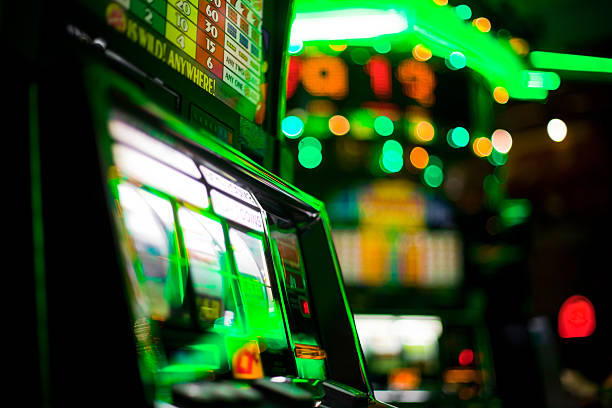
The psychological appeal of casinos is multifaceted, intertwining elements of chance, thrill, and potential reward. For many individuals, the excitement of gambling serves as an escape from daily life, effectively transforming their moods and providing a sense of adventure. The bright lights, sounds of spinning reels, and the atmosphere of anticipation create a compelling environment that attracts players from all walks of life. This sensory stimulation often plays a crucial role in drawing people into casinos, acting as a catalyst for decision-making. As they explore options, some players might be intrigued by new crypto casinos, which offer unique gaming experiences.

Moreover, the concept of “loss aversion” plays a significant part in gambling choices. Research suggests that individuals are often more motivated to avoid losses than to secure equivalent gains, which can lead to repeated gambling behavior despite unfavorable outcomes. This psychological aspect can trap players in a cycle of wagering, as they seek to recoup losses through further play, illustrating the intricate dynamics of human decision-making within casinos.
The role of cognitive biases in betting choices
Cognitive biases significantly influence how players perceive risk and reward within the casino environment. One prevalent bias is the “illusion of control,” where gamblers believe they can influence outcomes even with purely chance-based games such as slots or roulette. This false sense of agency can lead to overconfidence, prompting players to make irrational betting decisions, often resulting in larger losses. Understanding these biases provides insight into why individuals may gamble beyond their means.
Another critical bias is the “gambler’s fallacy,” the mistaken belief that past outcomes affect future probabilities in random events. For instance, if a player observes a particular number not being chosen in a game, they may conclude that it is due to appear soon, leading them to place bets based on flawed reasoning. Addressing these cognitive distortions is essential for promoting healthier gambling behaviors and enhancing decision-making processes amongst players.
Emotional factors driving gambling behavior
Emotions heavily influence gambling decisions, often overshadowing rational thought. The excitement associated with winning can trigger the release of dopamine, a neurotransmitter linked to pleasure and reward. As a result, individuals may chase the high from past wins, leading to impulsive and risky choices. This emotional rollercoaster can create a dependency on gambling for mood regulation, pushing individuals to gamble more to replicate the initial thrill.
Furthermore, social aspects of gambling environments amplify emotional responses. Engaging with other players, sharing successes, and experiencing group dynamics can enhance the emotional stakes, making individuals more likely to gamble. These social factors, combined with personal feelings, create a potent mix that can drive decisions and increase the likelihood of continued play in casinos.
The impact of environment on decision-making
The physical environment of casinos is meticulously designed to enhance the gambling experience. Factors like layout, lighting, and sound are all strategically employed to influence player behavior and prolong their stay. For example, the absence of clocks and windows creates a sense of timelessness, encouraging players to lose track of time and, often, the amount of money they spend. Such environments can lead to impulsive choices and contribute to a phenomenon known as “problem gambling.”
Studies have shown that changes in the casino environment, such as the introduction of new games or promotional offers, can significantly impact decision-making. Players may feel compelled to try something unfamiliar, often disregarding their previous experiences and overall gambling strategy in favor of novelty. Understanding how environmental cues affect choices is essential for addressing responsible gambling initiatives and promoting awareness among players.
Resources for understanding gambling psychology
For those interested in delving deeper into the psychology of gambling, numerous resources are available that offer valuable insights and strategies. Educational websites provide informative content on recognizing cognitive biases, understanding emotional triggers, and promoting responsible gambling practices. By arming players with knowledge, these resources can foster a more mindful approach to gambling, ultimately enhancing their overall experience.
This website strives to provide users with useful information regarding various topics, including gambling psychology. While some content may be restricted, the accessible sections aim to encourage engagement and facilitate informed decision-making. Exploring these resources can help individuals navigate their gambling choices more effectively, promoting a healthier relationship with the casino experience.