
The Allure of Casino Games
Casino games have a unique ability to capture the attention of players, drawing them into an immersive experience unlike any other. The allure lies not merely in the chance of winning money but in the thrill and excitement that these games provide. This exhilaration can be attributed to a combination of psychological factors, including the anticipation of uncertainty, the pleasure of risk-taking, and the social dynamics present within the casino environment. Many enthusiasts, for instance, explore college basketball betting sites to enhance their gaming experience.
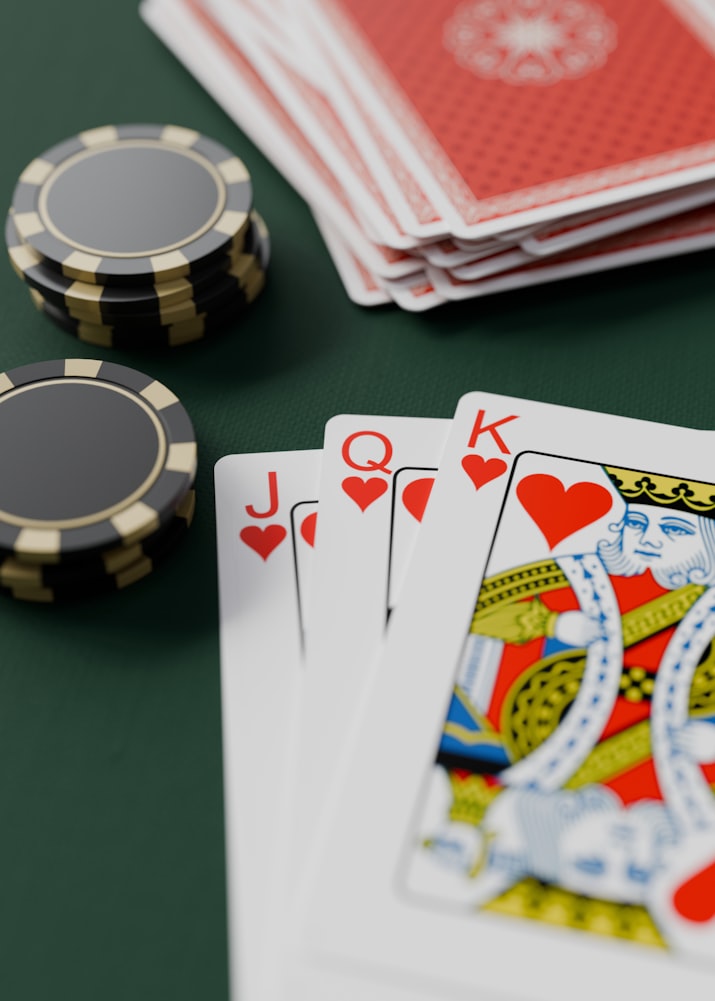
The sensory experiences found in casinos—vibrant colors, engaging sounds, and the energy of fellow players—serve to enhance this allure, creating an atmosphere that encourages prolonged play. As players engage with their chosen games, they often enter a state of flow where time seems to disappear, further solidifying their connection to the gaming experience.
The Psychology of Risk and Reward
At the heart of casino gaming is the concept of risk versus reward. Players are frequently driven by the potential for significant gains, which can activate dopamine responses in the brain, similar to the feelings experienced in other rewarding scenarios. This biological reaction can lead to a compulsion to play, as the brain craves the release of that “feel-good” neurotransmitter in response to the prospects of winning.
However, understanding this dynamic requires acknowledging the impact of loss as well. The phenomenon of loss aversion indicates that the emotional pain felt from losing is often more intense than the pleasure derived from winning. Players may persist in their betting behaviors, trying to chase losses, which can lead to a cycle of increased gambling that is hard to break.
The Role of Cognitive Biases
Cognitive biases play a significant role in shaping player behavior in casinos. One of the most prevalent biases is the “gambler’s fallacy,” which leads players to believe that past outcomes will influence future results. For instance, if a player consistently loses on a particular game, they may feel that a win is imminent, prompting them to continue playing despite the odds remaining constant.
These biases can significantly affect decision-making processes, often leading players to make irrational choices based on emotion rather than logic. By leveraging these psychological misconceptions, casinos create environments that capitalize on faulty reasoning, driving players to engage with the games longer than they might otherwise intend to.
Social Influences in Casino Behavior
The social aspect of casino gaming cannot be overlooked. Many players are enticed by the communal experience of gaming in a lively atmosphere surrounded by others. This social interaction can amplify the enjoyment of games, making players more likely to engage for extended periods. Casinos often foster this environment by offering entertainment, events, and even complimentary services to encourage longer stays.
Moreover, the influence of social proof can drive behavior. When players observe others winning or enjoying themselves, it can create a herd mentality, prompting newcomers to join in, further feeding the cycle of gaming. This social dynamic enhances both the psychological and financial aspects of casino gaming, contributing to its pervasive appeal.

About Our Website
This website serves as a comprehensive resource dedicated to exploring various topics surrounding gambling and casino experiences. We aim to provide insights and information that help users understand the intricate relationship between psychology and player behavior within casinos. Our goal is to foster informed discussions and encourage responsible gaming practices.
Although users may encounter access restrictions at times, we are committed to enhancing the browsing experience and ensuring security. For further assistance, our help section is available, and our team is always ready to aid users in navigating the wealth of information we provide on this fascinating subject.